Bring Back The Grizzly To California?
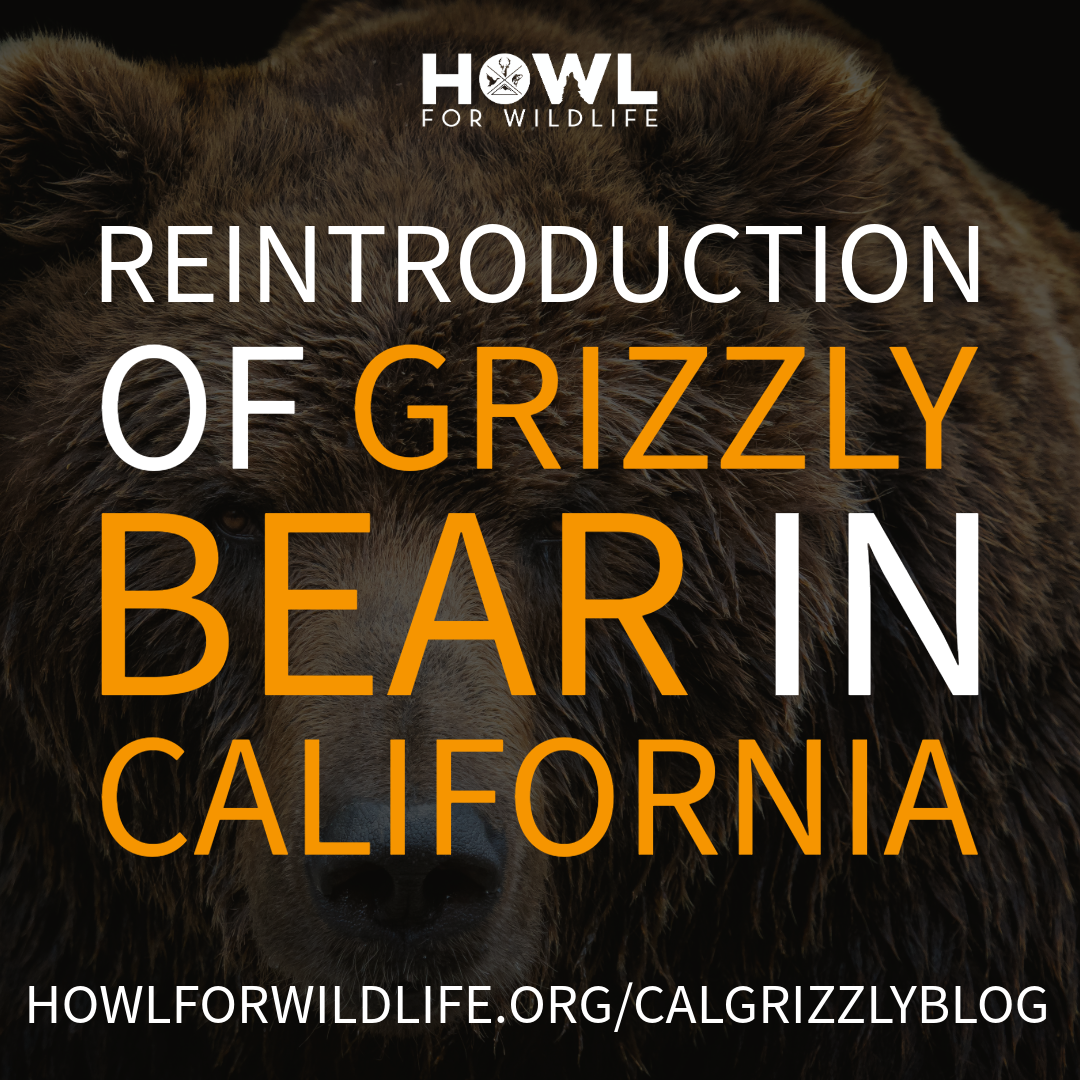
SB 1305 Makes This Real—and That’s Exactly Why California Should Slow Down
There is a question at the center of California’s grizzly debate that no bill, no roadmap, and no feasibility study can answer:
Would the bears choose this?
We can’t ask them, of course. But the question matters because it forces us to think like stewards, not romantics.
California now has a new bill, SB 1305, that would create an official state roadmap for grizzly bear reintroduction and declare it state policy to restore grizzlies to California. Even if reintroduction is not immediate, this is not just symbolic language. It is the beginning of a government process designed to move the idea forward.
That is exactly why Californians should stop and ask a harder question than “Could this happen?”
We should ask: Should it?
And in modern California, the answer should be no.
A roadmap is not neutral
Supporters will say SB 1305 only creates a process. But processes matter.
Once the state declares a policy goal and orders agencies to build a roadmap, the debate changes. The burden quietly shifts from “prove this is wise” to “work out the logistics.” That is how controversial ideas gain momentum before the public has fully grappled with the consequences.
SB 1305 requires a scientific assessment, tribal consultation, peer review, conflict-response procedures, and cost estimates. Those are all serious components. But a more detailed roadmap does not solve the underlying problem if the underlying premise is wrong for this state.
And the premise is wrong.
California is not a historical postcard
Grizzlies once lived here. That is true.
But California is no longer the California grizzlies once inhabited. Today it is a state of roughly 39 million people, extensive infrastructure, dense recreation, and a massive wildland-urban interface. That is not anti-bear rhetoric. It is the basic management reality any honest policy discussion has to begin with.
A map showing habitat patches is not the same thing as a durable, socially workable landscape for an apex predator.
Roads, homes, recreation pressure, livestock operations, attractants, and emergency response constraints all shape what “suitable habitat” means in the real world. If California cannot honestly address those factors first, a roadmap becomes an exercise in optimism rather than stewardship.
Natural return is one thing. Reintroduction is another.
This distinction matters, and SB 1305 makes it impossible to ignore.
If grizzlies naturally recolonized California over time, that would be one conversation. It would mean the animals themselves found pathways and selected habitat under current conditions.
But reintroduction is a human decision to place bears in a landscape and then manage the consequences.
That means the state—not the bears—chooses:
-
where conflict risk is acceptable,
-
who absorbs the costs,
-
how long response times can be,
-
and what happens when coexistence breaks down.
And when it does break down, it is the bears that pay first: hazing, collaring, relocation, and sometimes lethal removal.
So again: would the bears choose this?
If we can’t answer yes, we should be very cautious about choosing it for them.
California already struggles with the predators it has
Before California builds a roadmap for a new apex predator, it should demonstrate competence and public trust in managing the predators already on the landscape.
That is not where we are.
Across the state, predator policy involving mountain lions, black bears, and bobcats is already contested, politicized, and often disconnected from timely, flexible management. California’s own black bear planning context reflects a large and growing bear population alongside increasing conflict management demands in a heavily populated state.
Adding grizzlies to that system is not a test of vision. It is a test of state capacity.
And California has not earned confidence on that front.
The Bay Area test still exposes the contradiction
The SF Bay Area was prime grizzly habitat; they lived here, yet no one is seriously proposing grizzly reintroduction in the San Francisco Bay Area.
Why not?
Because the density, infrastructure, and human use make the idea obviously irresponsible.
That logic does not magically disappear outside the Bay Area.
The same California that makes Bay Area reintroduction unthinkable is the California that shapes the rest of the state too: roads, growth, recreation, politics, and conflict pressure everywhere. The details vary by region, but the governing reality does not.
If a proposal only sounds workable once you ignore how modern Californians actually live on the landscape, it is not ready for policy.
The domino effect on working lands is not a side issue
SB 1305 talks about consultation, conflict protocols, and cost estimates. Good. It should.
But no roadmap can paper over a basic truth: apex predator policy lands unevenly.
The first people to absorb the risk are usually ranchers and rural communities. They are asked to carry the uncertainty, modify operations, tolerate losses, and wait for agencies to respond—often under legal and political constraints that urban advocates rarely face themselves.
That domino effect matters for conservation.
When working lands become less viable, habitat stewardship often gets harder, not easier. You cannot build durable wildlife policy while treating the people who live with wildlife as an afterthought.
This is not anti-grizzly. It is pro-stewardship.
It is possible to respect the grizzly bear, recognize its history, and still oppose a state-led reintroduction roadmap.
In fact, that may be the more responsible position.
Because real conservation is not about proving that something is theoretically possible. It is about choosing actions that produce durable outcomes for wildlife and people in the world we actually have.
SB 1305 moves California toward a formalized path for grizzly restoration. That should not be treated as harmless planning. It should trigger a much more serious public conversation about state capacity, public safety, working lands, wildlife conflict, and what stewardship really means in a state this large and this developed.
If grizzlies return on their own someday, California can respond to that reality when it happens.
But building a state roadmap now to intentionally place them back into modern California is not humility. It is not caution. And it is not necessarily compassion.
It is an experiment—one the bears never asked for.